
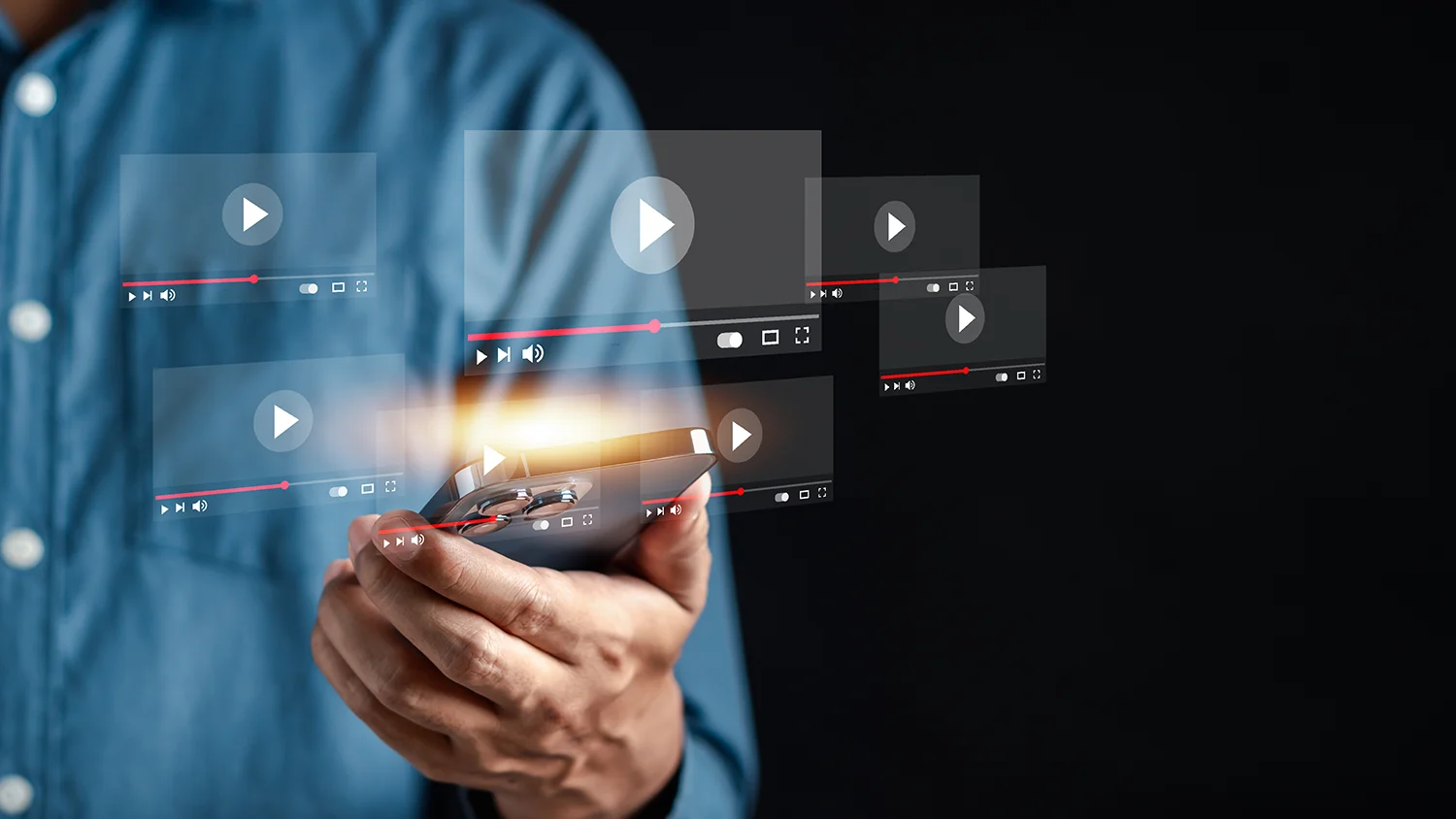
Imagine a customer sees your product in a 15-second YouTube Short, taps the screen once, and completes their purchase without ever leaving the video player. In 2026, this isn’t a futurist’s dream—it’s the standard. Implementing a robust video commerce strategy for 2026 is no longer optional, as the days of ‘link in bio’ as a primary conversion tactic are fading. Today, the screen is the storefront, and the video is the salesperson
However, a significant problem persists: most brands still treat video as a top-of-funnel awareness tool, entirely separate from their actual sales engine. This disconnection creates customer journey friction, lost leads, and a measurement gap that makes video spend feel more like a gamble than a strategic investment. When your creative doesn’t talk to your inventory, you’re essentially running a shop where the display window is on one street, and the cash register is three blocks away.
By integrating your product feeds directly into your video content and leveraging shoppable ad formats, you can close the gap between discovery and purchase. This video commerce strategy for 2026 approach allows you to turn passive viewers into active buyers, drastically lowering your cost per acquisition and transforming your social presence into a direct-to-consumer (DTC) powerhouse.
How to Set Up Shoppable Videos on YouTube
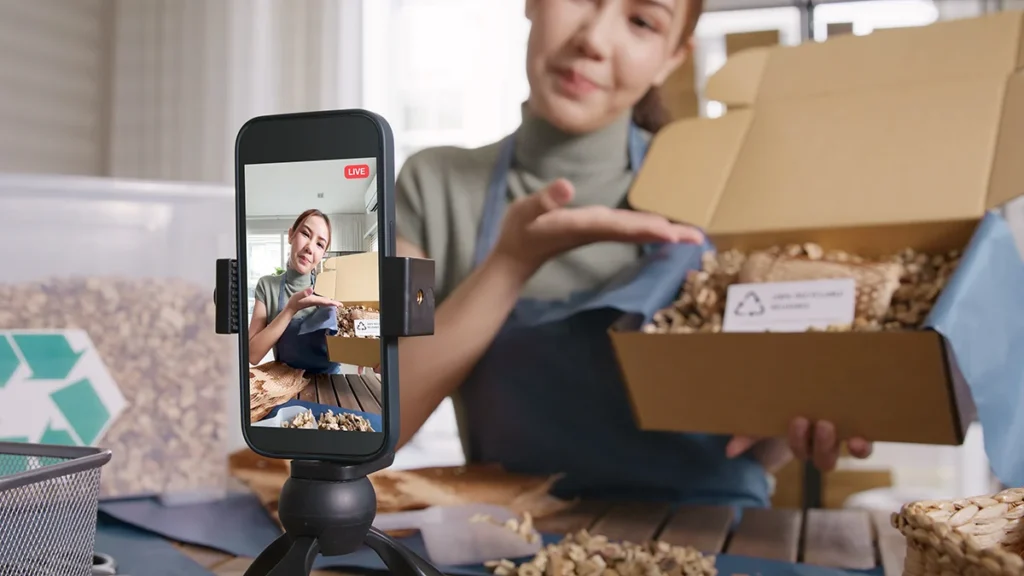
To win in the modern landscape, your product feed optimization is now just as critical as your video script. You need a technical bridge between your e-commerce platform (like Shopify or BigCommerce) and your content distribution channels. Without this digital plumbing, your shoppable dreams will remain static. In 2026, the complexity of these feeds has evolved; it’s no longer just about SKU numbers and titles. It’s about rich metadata—ensuring your direct-to-consumer (DTC) attributes like shipping speed, loyalty points, and bundle offers are visible at the moment of discovery. This infrastructure is what transforms a simple MP4 file into a living, breathing sales portal.
Sync Your Merchant Center
Your first step in your 2026 video commerce strategy is ensuring your Google Merchant Center is fully optimized. In 2026, Google’s algorithms use these feeds to populate product overlays on YouTube and in search. Ensure your feed includes high-quality, high-resolution images and real-time, accurate pricing. If a viewer clicks a product in a video only to find it’s out of stock or priced differently, you’ve lost the trust and the sale. Beyond the basics, utilize custom labels to prioritize video-ready inventory—items with high margins or deep stock—ensuring your ad spend is always pushing your most profitable assets.
Platform Integration

For a seamless YouTube shopping integration, you must link your store directly within YouTube Studio. This allows for the “View Products” button to appear on your long-form videos and shorts. Similarly, setting up a TikTok Shop for Shopify integration allows for in-app checkout, keeping the user within the ecosystem where they are most engaged. Shopify’s official guide on TikTok integration provides an excellent roadmap for handling the backend sync. This native integration is vital; every time a user is forced to click an external link, conversion rates drop by an average of 20% due to customer journey friction.
Interactive Tags and Hotspots
Beyond simple overlays, consider using Hotspots or interactive Product Tags within your media. This allows viewers to click on specific items they see on screen—like a lamp in a room tour or a jacket in a travel vlog—and see immediate pricing and “Add to Cart” options. This level of interactive media reduces the cognitive load on the consumer, making the path to purchase nearly instantaneous. By mapping these clickable moments to your inventory, you provide a non-intrusive way for users to satisfy their curiosity without pausing the entertainment.
Creative Video Commerce Strategy for 2026: Selling Without Selling
By 2026, digital fatigue has reached an all-time high. Traditional, high-production commercials are often ignored or skipped in favor of authentic utility. Today’s audience wants to see a product solving a real problem in real time, presented by a real person. This shift toward edutainment means your video must provide value before it asks for a credit card. If a viewer feels like they’re watching a commercial, they’ve already swiped. If they feel like they’re learning a life hack or discovering a hidden gem, they stay. This is the core of a modern video commerce strategy for 2026: blurring the line between content and commerce so effectively that the shopping experience feels like a natural extension of the entertainment.
The First 3 Seconds: The Hook
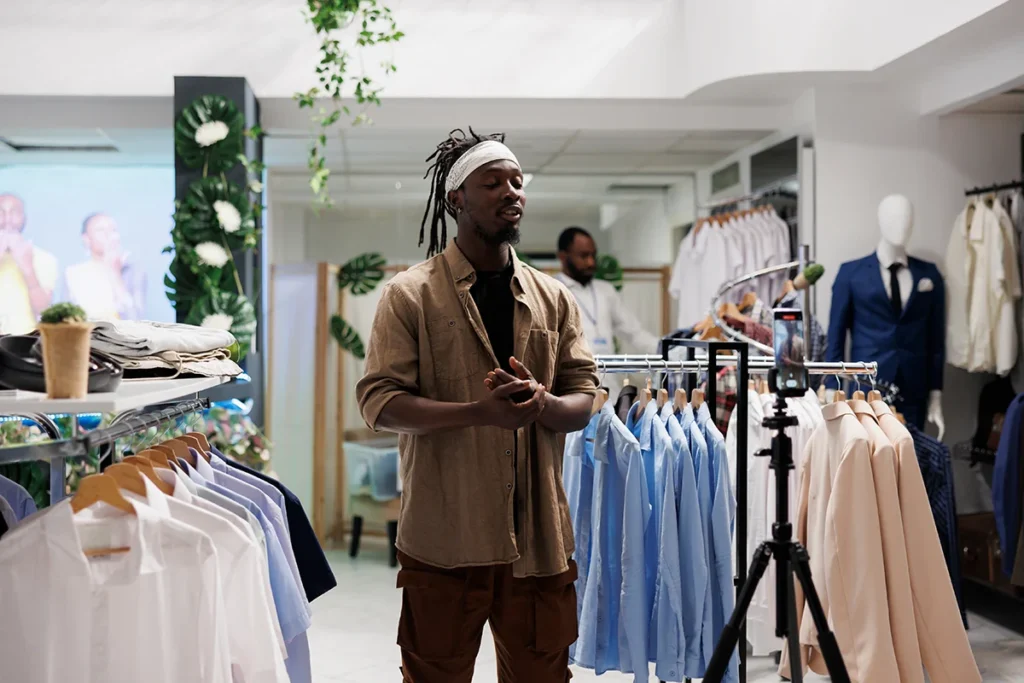
In a fast-scrolling environment, you must lead with the benefit, not the brand logo. If the first three seconds of your shoppable video ads look like a traditional commercial, users will swipe past. Start with the after state—the result of using your product—to stop the scroll. Whether it’s a stunning before-and-after visual or a controversial statement that challenges the viewer’s status quo, your goal is to disrupt the thumb’s muscle memory.
Problem-Solution Stories
Effective best practices for video commerce strategy involve a specific framework designed for the short-attention-span economy:
- Hook: Grab attention with a relatable pain point.
- Struggle: Briefly illustrate the frustration with the current alternative.
- Solution: Introduce your product as the hero that resolves the tension.
- CTA: A clear, clickable prompt to “Shop Now” or “View in Store.”
This narrative arc works because it mirrors the customer journey friction users face daily. By showing the product in a high-context environment—such as a kitchen, an office, or a gym—you provide the visual proof necessary to drive an immediate impulse purchase.
UGC and Creator Partnerships
User-Generated Content (UGC) remains the gold standard for trust. When scaling your brand, leverage micro-influencers to host Live Shopping events. According to McKinsey’s latest commerce reports, live commerce is projected to account for up to 20% of all e-commerce sales by 2026. These human-led streams often see conversion rates 10x higher than standard display ads because they offer real-time Q&A and community validation. The ROI of live shopping events for small business is particularly high because it eliminates the skepticism gap. When a creator answers a specific question about fabric texture or battery life on a live stream, the viewer feels the same confidence they would in a physical boutique.
Measuring the Video-to-Cart Journey
Traditional last-click attribution is the enemy of effective video commerce strategy in 2026. If you only credit the final touchpoint, you’ll likely undervalue your video efforts and accidentally cut the very campaigns fueling your growth. To truly understand the ROI of live shopping events for small businesses, you need to look at View-Through Conversions and Assisted Revenue. In 2026, the customer journey is rarely linear; a user might discover you on a Smart TV, research you on a laptop, and finally purchase on a smartphone. Without a multi-touch lens, your high-performing video content looks like a cost center rather than the revenue driver it actually is.
Track Add-to-Carts
Don’t just look at completed purchases. Monitor how many users clicked a product tag or added an item to their cart, even if they didn’t finish the transaction. These are micro-conversions—high-intent signals that predict future revenue. This data is gold; it forms the foundation of your high-intent remarketing list. If a user engaged with a shoppable video, they are significantly more likely to convert via a follow-up email or a targeted search ad. By 2026, sophisticated brands are using these abandoned video carts to trigger personalized AI-driven SMS follow-ups, offering a native experience that respects the user’s original platform of discovery.
GA4 Cross-Channel Reports
Use Google Analytics 4 to track the full journey. You can now see how many people watched a video on YouTube and then searched for your brand on Google 24 hours later. This assisted journey is vital for justifying your video commerce strategy 2026 budget. In January 2026, Google introduced enhanced cross-channel budgeting features in GA4, allowing you to see projected ROI across YouTube, Search, and Display simultaneously. For deeper insights into setting up these models, Google’s documentation on GA4 attribution is an essential resource for modern marketers looking to eliminate data silos.
Promotional QR Codes and CTV
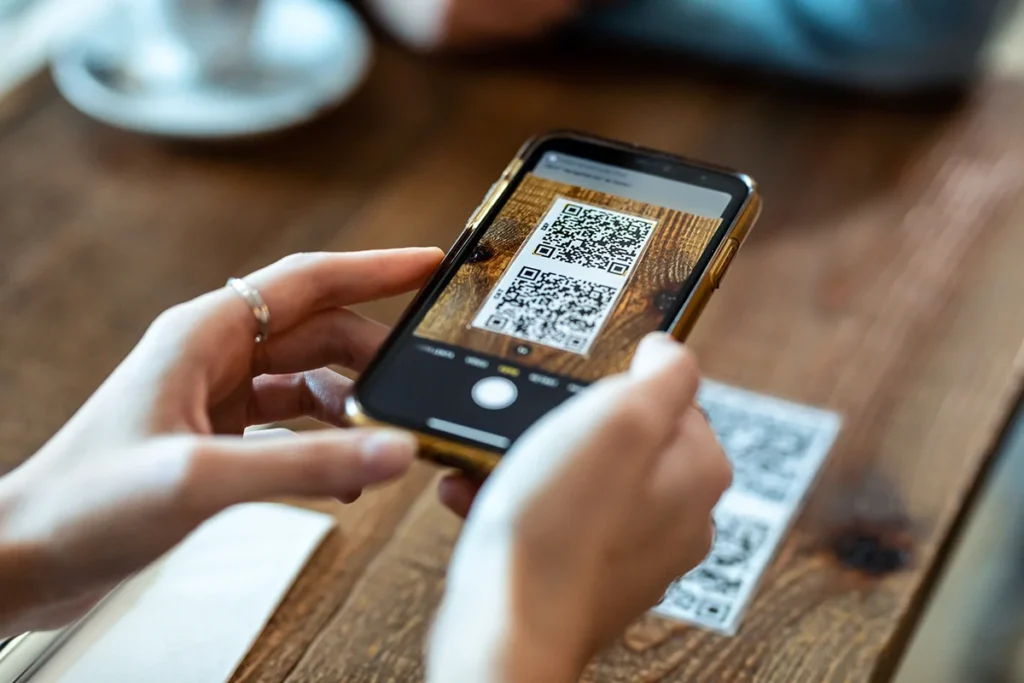
For Connected TV (CTV) ads, the challenge has always been the leap from the big screen to the checkout. Use unique, trackable QR codes that offer a Scan to Shop incentive. This allows you to see exactly how many Living Room viewers moved to their mobile phones to buy, providing a clear line of sight from a TV impression to a Shopify sale. According to recent data from Statista on Digital Video Advertising, CTV spend is set to overtake traditional TV by 2028, largely because it offers this level of digital accountability. By bridging the gap between the largest screen in the house and the one in the user’s pocket, you turn passive viewing into an interactive shopping experience.
The Gravitate One Advantage
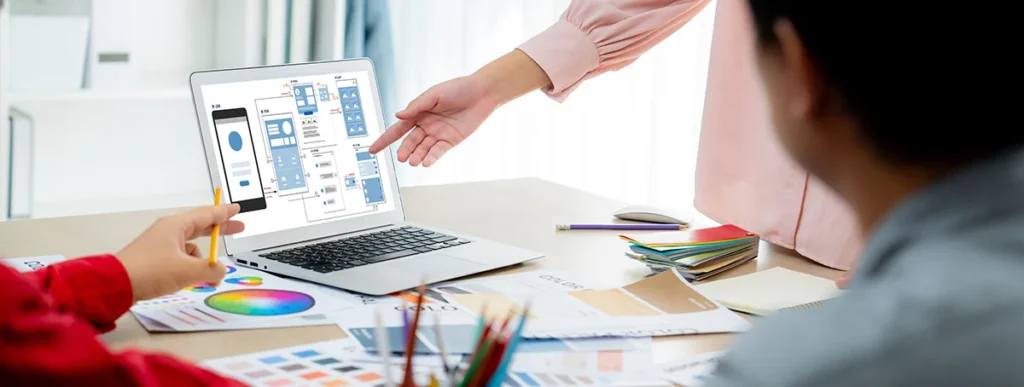
At Gravitate One, we understand that video commerce strategy is where technical SEO and PPC meet high-level creative production. Most agencies are good at one side of that equation—they either build pretty videos that don’t convert or manage complex feeds that lack a creative soul. We specialize in both. We don’t just run ads—we build revenue engines that bridge the gap between human desire and digital fulfillment. By 2026, the complexity of shoppable video ads requires a partner who understands the nuances of algorithmic shifts on platforms like TikTok and YouTube while maintaining the technical integrity of your product database.
Our Process: Audit to Asset
We begin with a comprehensive audit of your Shopify or E-commerce feed for video-readiness. We ensure your technical foundation is rock-solid, verifying that every product ID, variant, and pricing update is synchronized in real-time. This ensures that when our creative team builds assets for YouTube Shorts and TikTok Shop, the data flows perfectly. Our primary goal is converting TikTok views into Shopify sales by removing every possible click between the ah-ha! moment and the “thank you for your order” page. We treat your video content as a high-performance landing page, optimizing for both visual engagement and technical speed.
Why Choose a Utah SEO Agency?
As a premier Utah SEO agency, we bring a grounded, data-first perspective to the global stage. Based in a hub of innovation, our team of digital marketing experts understands that in 2026, likes and shares don’t pay the bills—conversions and lifetime value (LTV) do. We’ve refined our strategies to help direct-to-consumer (DTC) brands navigate the noise of a crowded marketplace with an informed video commerce strategy for 2026.
This end-to-end approach means your video strategy for 2026 isn’t just content; it’s a measurable sales channel that scales your revenue while you sleep. We leverage advanced attribution modeling to ensure every dollar spent on video is accounted for across the entire funnel. Whether you’re looking for specific social commerce conversion tips or a full-scale platform overhaul, we align your inventory with your vision. We don’t just follow trends; we set the infrastructure that allows your brand to lead them. For more on how to stay ahead of the digital curve, check out the latest from HubSpot’s Marketing Trends to see why video continues to dominate the ROI leaderboard.
Key Takeaways re: Video Commerce Strategy for 2026
Video is no longer just a way to tell a story; it’s the storefront of 2026. The brands that successfully integrate their products into their content will own the future of digital retail. By aligning your inventory with your creative and removing the customer journey friction between seeing and buying, you turn every view into a potential transaction.
As vertical video and AI-driven personalization become the baseline, staying stagnant means becoming invisible. In 2026, the competitive edge belongs to those who view their content as a functional sales portal rather than a passive billboard. By prioritizing Authentic Utility and seamless checkouts, you build a resilient brand that thrives in a scroll-to-shop economy.
The pivot to video commerce isn’t coming—it’s here. To dive deeper into the technical requirements of these platforms and how they integrate with your backend, visit BigCommerce’s guide on shoppable media for additional perspective on inventory management and real-time syncing.
Is your video content actually driving sales? Contact Gravitate One today for a Video Commerce Audit, and let’s turn your views into direct, measurable revenue.